Citizens entitled to protest; slogans like BJP 'murdabad’ and ‘Amit Shah murdabad' not ground for externment: Bombay HC

The judge orally remarked that police officers are authorities answerable to the public and not functionaries of the ministers.
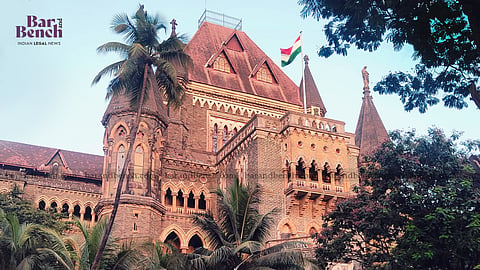
Bombay High Court
Bombay High Court
Published on
3 min read
Listen to this article

Protesting against decisions of the government or raising slogans against it cannot constitute a valid ground for expulsion of a citizen from any area, the Bombay High Court recently held while quashing an externment order (order banning/ expelling an individual from a locality/ district) passed against Saeed Ahmad Abdul Wahid Chaudhary, the Maharashtra State general secretary of the Socialist Democratic Party of India (SDPI) [Saeed Ahmad Abdul Wahid Chaudhary v. State of Maharashtra & Ors.]

Justice Madhav Jamdar sharply criticised the action of Mumbai police to extern Chaudhary, a former Lok Sabha candidate, from Mumbai and adjoining areas for a period of one year. 

The judge asked why slogans like ‘BJP government murdabad’ and ‘Amit Shah murdabad’ attracted the measure of externment passed by a deputy commissioner of Mumbai police. He also referred to the recent protests happening across the country over examination paper leaks.

The judge orally remarked that police officers are authorities answerable to the public and not functionaries of the ministers. He emphasised that citizens are entitled to protest and agitate against government decisions and the police could not pass externment orders to banish people from their own city merely for protesting or sloganeering. 

Justice Madhav Jamdar

Therefore, Justice Jamdar struck down the externment order on the ground that the order was passed merely because of Chaudhary's actions of organising and participating in protests.

Chaudhary, a resident of Chembur, Mumbai suburbs, has been active in organising protests on issues including the Citizenship (Amendment) Act, the National Register of Citizens (NRC), the demolition of Babri Masjid and the Gynavapi Masjid controversy, the corruption of Waqf board and fuel price hikes. 

His plea stated that externment proceedings were initiated in October, 2025 under the Maharashtra Police Act (MPA) on the basis of multiple FIRs registered against him between 2019 to 2024.

The FIRs were protest-related and booked him under section 188 of the Indian Penal Code which penalises deliberate disobedience of an order issued by a public authority by organising demonstrations. 

In December 2025, the Deputy Commissioner of Police at Chembur passed an externment order directing that Chaudhary be removed from Mumbai city and its suburban limits for a period of 12 months.

The order relied on statements in FIRs which claimed that Chaudhary’s activities ‘created fear and posed a danger to public order’. This order was confirmed by the Divisional Commissioner of Konkan division on appeal. 

Chaudhary challenged both the orders before the High Court contending he was kept out of his own locality during a crucial period around the civic body elections in Mumbai when he was required to campaign and do organisational work for his party.

He claimed that the externment order misused a prevention power to punish democratic dissent on vague allegations like ‘his acts created a kingdom of terror’ which was contradicted by local residents and shopkeepers.

Advocate Payoshi Roy, appearing for Chaudhary, argued that the externment mechanism under MPA had been invoked on a flawed premise. 

She submitted that protest-related offences under Section 188 IPC could not be brought within the ambit of Section 56 of the MPA, which is designed to address serious threats to life or property and did not include offence section 188.

Justice Jamdar concluded that the externment order was a malafide use of police powers and Chaudhary’s activity cannot be a ground for his externment under MPA. Accordingly, the bench quashed and set aside both the orders.

Bar and Bench - Indian Legal news
www.barandbench.com