Let prison authorities decide: Delhi court on Sharjeel Imam's plea for PhD study material in jail

The Court observed that it would have had no difficulty allowing access to books or printed material. However, it said it has no control over the contents stored in a pen drive.
Sharjeel Imam
Sharjeel Imam
Published on
2 min read
Listen to this article

A Delhi court on Monday refused to grant Sharjeel Imam permission to access research material on a pen drive and use prison computers for his PhD work.
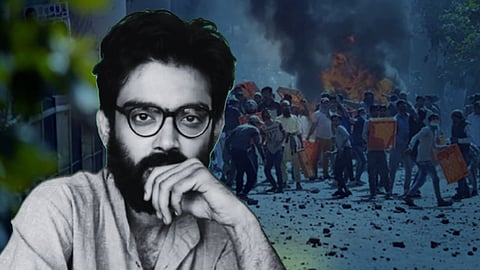
Additional Sessions Judge Sameer Bajpai of Karkardooma courts said there was no way for the court to verify the contents of the pen drive containing Imam’s study material.

The judge, therefore, left it to the discretion of the Superintendent of Prison to decide whether Imam should be allowed access to the material.

"The court definitely would not have no problem to allow the applicant to have access to books etc but the court would have no control on the material which the applicant may have in a pen drive. As such, only the Jail Authorities can have control and monitor the use of the material by the applicant and the court leaves it on the discretion of the Superintendent of Prison only to consider the prayer of the applicant." it noted.

The order was passed days after the same trial court rejected fresh bail pleas filed by Imam and co-accused Umar Khalid in the Delhi riots conspiracy case.

The Delhi riots case stems from the communal violence that erupted in the national capital in 2020 amid protests against the Citizenship (Amendment) Act, 2019 (CAA). Imam and several others who participated in the protests have been accused of conspiring to orchestrate the riots.

Imam has remained in custody since January 2020. While he has secured bail in some other cases arising out of speeches delivered during the anti-CAA protests, he continues to remain in jail in the Delhi riots conspiracy case under the Unlawful Activities (Prevention) Act [UAPA].

In January this year, the Supreme Court refused to grant him bail, holding that the material relied upon by the prosecution disclosed a prima facie case against him under UAPA.

Imam enrolled as a doctoral scholar in Modern History at Jawaharlal Nehru University before his arrest in January 2020.

Also Read
Delhi Riots: Why Supreme Court denied bail to Umar Khalid and Sharjeel Imam
Sharjeel Imam

In the present case, he moved the court seeking permission to receive research material from his lawyers on a pen drive and use computer facilities available inside the jail to continue work on his PhD. He said the material was neither banned nor restricted by the Government of India.

According to his application, the court had in April directed the Superintendent of Prison to consider a similar request. The then Superintendent allowed Imam to receive the pen drive from his lawyers.

However, the Superintendent was transferred before the material could be delivered.

The new Superintendent later declined the request, saying Imam could not access the research material or prison computers without a specific court order.

Opposing the plea, the prison authorities argued that while books, printouts and photocopies could be monitored, the contents of a pen drive could be vast and difficult to censor.

The Court then observed that it would have had no difficulty allowing access to books or printed material. However, it said it has no control over the contents stored in a pen drive. Accordingly, it left the decision to the jail authorities.

Bar and Bench - Indian Legal news
www.barandbench.com