10 mercy petitions to British did not affect VD Savarkar's ‘Veer’ title: Savarkar's grandnephew to Pune court

The statement was made as part of a defamation case filed by Savarkar's grandnephew against Congress leader Rahul Gandhi.
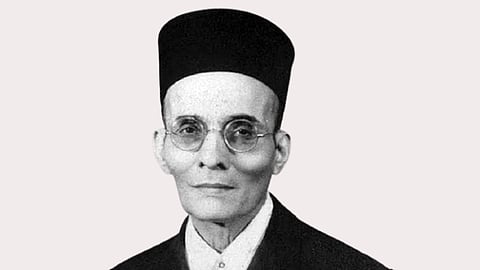
Vinayak Savarkar
Vinayak Savarkar
Published on
3 min read
Listen to this article

Mercy petitions sent by Vinayak Damodar Savarkar to the British colonial government while he was in prison did not diminish the 'Veer' (brave) title conferred on Savarkar by the public, contended Savarkar's grandnephew before a Pune court on June 15 [Satyaki Savarkar v. Rahul Gandhi].
The statement was made as part of a defamation case filed by Savarkar's grandnephew, Satyaki Savarkar, against Congress leader Rahul Gandhi.

During the June 15 hearing, Gandhi’s lawyer, advocate Milind Pawar, questioned Satyaki about why Savarkar is called 'Veer' (brave). Pawar referred to the series of mercy petitions Savarkar addressed to the British authorities while he was imprisoned during colonial rule.

Satyaki replied that official records from the British period, as well as publications of the expatriate revolutionary group Gadar organisation, show that Savarkar was referred to as 'Veer' even while he was in jail in the Andaman Islands.

He accepted that Savarkar filed ten mercy petitions seeking a reduction of his sentence but denied that it is therefore contradictory to call someone who filed such petitions 'Veer'.

Satyaki added that titles like 'Veer', 'Swatantryaveer', 'Mahatma' or 'Netaji' are labels that people give to those they consider to have done extraordinary work, and are not formal legal designations.

When questioned about other revolutionary figures such as Bhagat Singh and Batukeshwar Dutt, who did not seek such concessions from the British government, Satyaki replied he could not say whether that was the reason they were executed. 

According to court records, Satyaki said,

“I was unaware that Bhagat Singh and Batukeshwar Dutt had petitioned the British government, demanding to be treated as prisoners of war and refusing any concessions or acts of leniency. It is true to say that Bhagat Singh and Batukeshwar Dutt remained steadfast in their ideology and principles until the very end. The witness himself states that, much like Savarkar, they remained unyielding to the last."

Advocate Pawar also read out portions of a 1913 mercy petition in which Savarkar described the harsh prison conditions, humbly sought relief, and requested either transfer to an Indian jail or release on conditions.

In that mercy petition, Savarkar said he would follow a constitutional path and remain loyal to the British government if released. Rahul Gandhi's counsel cited this wording to challenge Satyaki’s portrayal of Savarkar as a brave revolutionary.

Satyaki replied that filing mercy petitions was a recognised legal route under British rule and that other prisoners also used this process, which was neither unusual nor illegal.

Satyaki maintained that the wording in the mercy petitions followed official protocol, adding that Savarkar’s mercy plea sought relief for other long‑term prisoners as well.

Judicial magistrate Amol Shinde will continue hearing the evidence and cross‑examination in the case on July 1, 2026.

The matter concern defamation a complaint filed by Satyaki Savarkar against Rahul Gandhi over a March 2023 speech delivered by Gandhi in London.

Gandhi allegedly referred to Savarkar’s writings to claim that Savarkar and others had assaulted a Muslim man and found the act pleasurable. 

Satyaki contends that no such incident appears in Savarkar’s published works. Satyaki has accused Gandhi of making factually incorrect, misleading and defamatory remarks that distort history and damage Savarkar’s reputation. 

The plea seeks Gandhi’s conviction for criminal defamation under Section 500 of the Indian Penal Code and damages.

The cross examination in this defamation case is going on before the Pune trial court. In a previous hearing held on June 1, Satyaki was questioned about his public programmes on Savarkar, including his 'Har Ghar Savarkar' campaign.

Satyaki denied that the case was politically motivated or aimed at creating pressure on Rahul Gandhi. He also accepted that there is no governmental process or documentary proof of the title 'Swatantryaveer' being formally conferred on Savarkar.

Bar and Bench - Indian Legal news
www.barandbench.com